
Is Your Southern California Home Ready for Tropical Storms? An Honest Guide to Roof and Gutter Prep
August 17, 2026
•
Written By
Brave Bird Roofing
Most people in Southern California do not spend their weekends thinking about rain. We get sunshine almost every day, which makes it easy to forget what happens when severe weather rolls in. Tropical storms and late-season hurricanes might feel like something reserved for the East Coast, but shifting climate patterns mean heavy, tropical rainfall events can hit our local neighborhoods hard.
When torrential rain and high winds sweep through, your house faces a tough test. Your roof and your gutters stand as the primary line of defense. If they fail, water quickly finds its way into your ceiling, your walls, and your foundation. Getting your home ready before storm season hits is not about worrying; it is about taking smart, straightforward steps to protect your investment.
Key Takeaways for Homeowners
- Clear gutters keep heavy rainfall moving away from your home foundation.
- Inspecting your shingles early helps catch minor damage before water intrudes.
- Trimming nearby trees prevents branches from ripping off roof materials during high winds.
- Securing loose metal flashing keeps wind-driven rain from sneaking into your attic.
- Working with a local expert ensures your home stands strong through every season.
Why Should You Worry About Tropical Storms in Southern California?
The Reality of Local Severe Weather
It is easy to assume that coastal storms stay far out at sea. Local history and recent weather trends prove otherwise. Tropical systems moving up from the south push massive amounts of moisture straight into our mountain basins and coastal plains.
When heavy rain falls on dry terrain, drainage systems fill fast. Your roof has to handle hundreds of gallons of water in a matter of hours. If your roof system has small cracks, loose shingles, or clogged drains, that water stops flowing down to the street and starts moving directly into your living space.
How Do Clean Gutters Protect Your Home Foundation?
Stopping Water Right at the Roofline
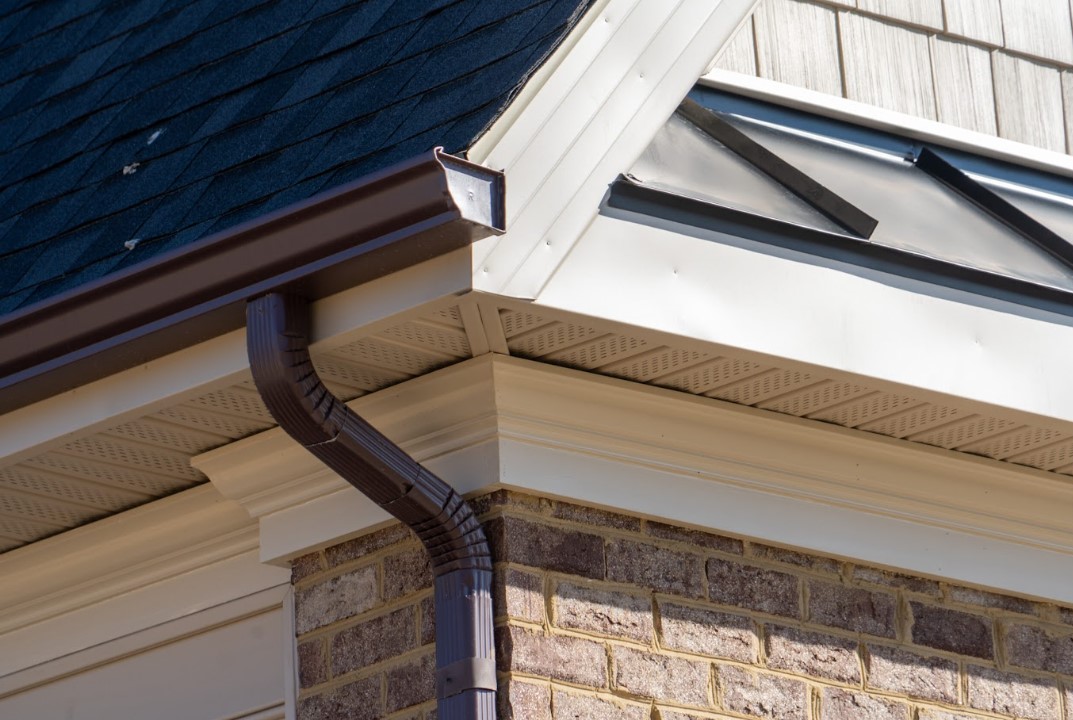
Rain gutters seem simple because they just sit along the edge of your roof line. Their actual job is crucial. They catch thousands of gallons of water during a storm and dump it a safe distance away from your concrete slab.
When dirt, dead leaves, and debris collect in those channels, trouble starts fast. Water piles up, gets heavy, and pulls the metal channels away from the wood fascia boards. Clogged channels lead to three major issues:
- Overflowing Water: Rots your exterior wood fascia and underlying soffits.
- Standing Weight: Pulls heavy metal gutter brackets completely off the home.
- Pooling Groundwater: Cracks concrete foundations and floods basement or yard spaces.
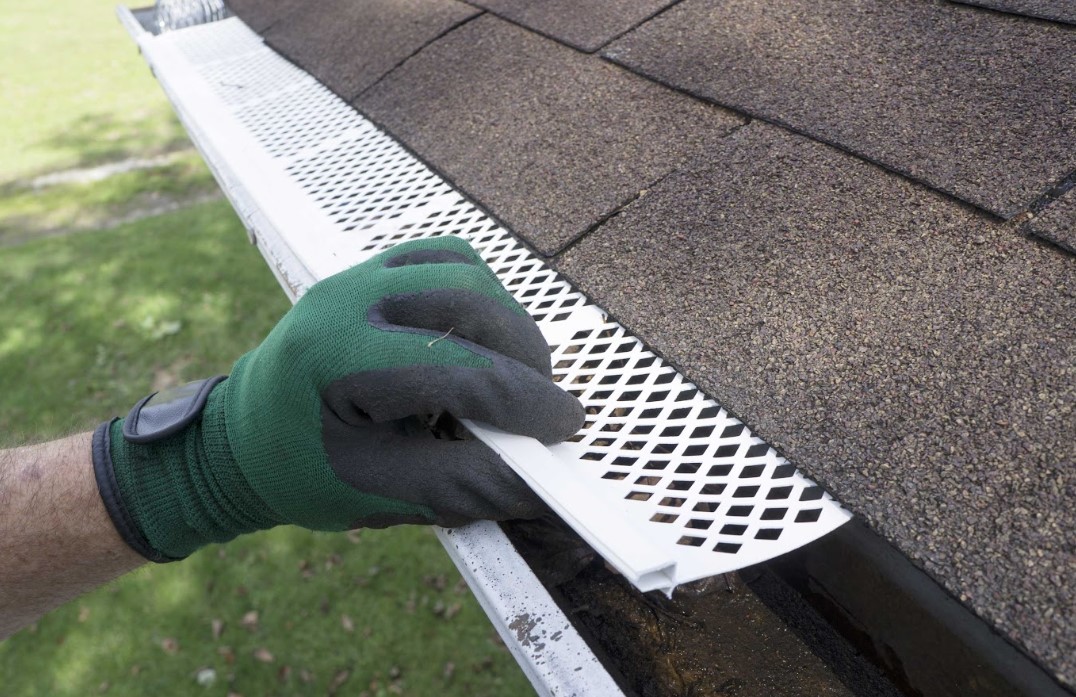
Clearing these channels by hand or flushing them out with a hose keeps the system working as intended. While cleaning out debris, take time to check the downspout extensions at ground level. Make sure they direct water at least three to five feet away from your home foundation. According to safety guides from the National Oceanic and Atmospheric Administration (NOAA), keeping drainage pathways free of blockages is one of the most effective ways to lower structural flood risks during severe weather.
What Does a Proper Roof Check Look Like Before High Winds Hit?
Finding Weak Spots Before the Rain Starts
Getting up on a ladder or inspecting your roof from the lawn with binoculars gives you a clear picture of its health. You do not need complex equipment to spot the main warning signs.
To conduct a thorough pre-season assessment, keep an eye out for these critical danger areas:
- Curled, cracked, or missing shingles: High wind acts like a crowbar under damaged materials, lifting them off the wood deck.
- Loose flashing around chimneys and vents: Metal flashing keeps joints watertight; if it breaks loose, wind-driven rain pours right in.
- Exposed nail heads: Unsealed nails rust out over time, leaving direct pathways for water to leak into your attic.
- Granule buildup in your gutters: Excess grit in your channels means your asphalt shingles are wearing out fast.
- Sagging roof lines: A drooping surface points to hidden wood decay underneath that requires immediate structural repair.
Addressing these issues early keeps a quick fix from turning into a massive disaster mid-storm. If you are unsure about the condition of your shingles, exploring professional options through our residential roofing services can help you fix structural vulnerabilities long before the sky turns gray.
How Does Tree Trimming Save Your Roof Material?
Cutting Back Branches Before High Winds Arrive
Tree branches hanging over your house seem harmless during summer. Once tropical winds kick up, those same limbs transform into heavy battering rams.
Branches rubbing against your roof will scrape off the protective mineral layer of your shingles. In severe storms, heavy limbs snap and drop directly through wood framing.
Trim all tree limbs back at least six feet from your roofline. Clear away dead wood and thin out thick tree canopies so wind passes through the trees rather than knocking them over onto your home.
Why Is Sealant and Flashing Maintenance So Important?
Closing Small Gaps Against Wind-Driven Rain
High winds do not just push rain downward; they force water horizontally and upward under roof edges. This is where metal flashing and rubber seals play a critical role.
Check the seals around skylights, plumbing stacks, and roof vents. Over time, heat bakes these rubber boots until they crack. Applying fresh, high-grade roofing sealant around exposed gaps provides an extra line of protection. According to building safety recommendations from the Federal Emergency Management Agency (FEMA), securing vulnerable perimeter edges and flashing is essential for stopping severe water penetration during extreme storms.
Homeowner Storm Prep Questions Solved
Can I clean and repair my gutters by myself?
Scope out basic gutter cleaning yourself using a sturdy ladder, heavy gloves, and a hose. If your gutters hang higher than one story, show signs of sagging, or need new mounting hardware, calling professional specialists keeps you safe on the ground.
How often should my roof get a professional checkup?
Have a qualified team look over your roof at least once a year, preferably in late summer before seasonal rains arrive. Homes with nearby trees or older materials benefit from a quick check after any major wind event.
What should I do if a leak starts during a heavy storm?
Move furniture and electronics away from the area, set down buckets to catch falling drops, and capture water in towels. Never climb onto a wet roof during an active storm. Wait for the weather to clear, then call for professional emergency assistance right away.
Protect Your Home with Brave Bird Roofing
Preparing your property for heavy storms does not have to be stressful. Taking a few proactive steps today saves you time, money, and hassle when wild weather hits Southern California.
When you want complete peace of mind, turn to the team at Brave Bird Roofing. As a family-owned company rooted in Southern California for over four decades, we bring honest craftsmanship and reliable service to every job. Learn more about our team and our long tradition of keeping local homes safe, dry, and secure.
Ready to get your home storm-ready? Contact Brave Bird Roofing in Fullerton, CA today to book your thorough roof inspection.
Recent Articles

Residential Roofing
What a Professional Roof Inspection in Orange County Actually Includes
A professional roof inspection catches small problems before they become leaks. Here is what a thorough Orange County roof inspection covers, when to schedule one, and what to expect after.
September 15, 2026

Residential Roofing
How Long Does a Tile Roof Last in Southern California?
How long a tile roof really lasts in Southern California, why the underlayment matters more than the tile, and when to repair, relay, or replace.
September 14, 2026
Residential Roofing
Is Your Southern California Home Ready for Tropical Storms? An Honest Guide to Roof and Gutter Prep
Preparing your property for heavy storms does not have to be stressful. Taking a few proactive steps today saves you time, money, and hassle when wild weather hits Southern California.
August 17, 2026

Emergency Services
Why Emergency Exterior Services Are Critical During Wildfire Season
Learn why emergency exterior services are critical during wildfire season. Discover how emergency home repairs and rapid wildfire home protection safeguard your property from wind-blown embers.
July 1, 2026