
How Long Does a Tile Roof Last in Southern California?
September 14, 2026
•
Written By
Brave Bird Roofing

A well-built tile roof in Southern California typically lasts 50 years or more, and premium clay tile can protect a home for a century. The tiles themselves are one of the longest-lasting roofing materials you can buy. The catch is that the waterproof underlayment beneath them wears out far sooner, usually in 20 to 30 years, so the real lifespan of your roof depends on what is happening under the tile as much as on the tile itself.
That distinction matters for homeowners across Fullerton and North Orange County, where tile roofs are everywhere and the sun works on them year-round. At Brave Bird Roofing, we help homeowners understand what they actually have overhead so they can plan ahead instead of reacting to a leak. Here is what really determines how long your tile roof will last.
Key Takeaways
- Quality clay and concrete roof tiles commonly last 50 years or more, and clay can exceed 100 years.
- The underlayment beneath the tile is the real limiting factor, typically lasting 20 to 30 years before it needs replacement.
- Southern California sun, heat cycling, Santa Ana winds, and heavy El Nino rains all age a tile roof faster than a mild climate would.
- Many aging tile roofs can be restored with a lift-and-relay rather than a full tear-off, which can save the original tile.
How long does a tile roof really last?
The honest answer is that a tile roof lasts as long as its weakest layer, and that is rarely the tile. According to the Tile Roofing Industry Alliance, concrete and clay roof tiles carry a life expectancy of 50 years or more, and many manufacturers back them with limited lifetime warranties. InterNACHI's estimated life-expectancy data ranks quality tile among the longest-lasting roofing materials available, well beyond the 15 to 25 years typical of asphalt shingles.
The three tile types you will see on Orange County homes age differently. Clay tile is the longest-lived, often 75 to 100 years, and holds its color because it is fired, not coated. Concrete tile is the most common here and generally lasts 50 years or more, though its surface finish can fade sooner. Synthetic or composite tile, a newer lightweight option, is usually rated for 40 to 50 years.
So when a homeowner in Fullerton asks how long their tile roof will last, the tiles are almost never the problem. The parts that fail first are underneath.
Why does the underlayment matter more than the tiles?
The underlayment is the waterproof membrane installed directly on the roof deck, beneath the tile. The tile sheds most of the water and takes the sun, but the underlayment is what actually keeps water out of your home. When it dries out, cracks, or tears, water gets past the tile and into the structure, even though the tile above still looks perfect.
Here is what typically wears out on a tile roof, roughly in the order you should expect it:
- Underlayment is first, usually at 20 to 30 years, as heat and time make it brittle.
- Flashing around chimneys, skylights, and valleys can corrode or loosen and is a common early leak point.
- Fasteners and battens holding the tile can degrade, especially where moisture has already reached them.
- Individual tiles crack or slip, most often from foot traffic or wind, not from age.
- The tile field itself is last, often outliving two or even three underlayments.
This order is good news. It means a 30-year-old tile roof in Anaheim is often not worn out at all. It usually needs a new underlayment while keeping most of the original tile, which is a very different project from a full replacement.
What shortens a tile roof's life in Southern California?
Southern California is easier on roofs than a freeze-thaw climate, but it has its own stresses, and they add up over decades. The biggest is simple sun. Constant UV exposure and daily heat cycling bake the underlayment and slowly rob it of flexibility, which is why our roofs often reach the underlayment's replacement window right on schedule or a little early.
Santa Ana winds are the second factor. Strong gusts can lift or crack tiles along ridges and edges, and a single displaced tile opens a path for water at the next rain. Those rains matter too. A heavy El Nino season drives water sideways under wind pressure, testing every weak point that a dry summer hid.
Two smaller factors round it out. Homes near the coast in cities like Huntington Beach deal with salt air that speeds up corrosion of metal flashing and fasteners. And foot traffic from other trades, satellite installers, or an untrained roofer walking the tiles wrong, cracks more tile than weather ever will. A roof walked correctly and inspected regularly across North Orange County simply lasts longer.
How do you know when a tile roof needs attention?
The clearest warning sign is water, but by the time you see a ceiling stain the underlayment has usually been failing for a while. Smart homeowners watch for the earlier signals so they can act before a small issue becomes an interior repair.
Look for these signs, and treat several appearing together as a reason to schedule an inspection:
- Cracked, slipped, or missing tiles visible from the ground.
- Broken tile pieces or granular debris collecting in gutters and at downspouts.
- Daylight, damp spots, or a musty smell in the attic after rain.
- Staining on ceilings or interior walls, especially near chimneys or skylights.
- A roof that is 20 years or older and has never had its underlayment evaluated.
If a storm or a leak has already gotten ahead of you, that is a different timeline. Fast, professional emergency roofing response, including temporary protection and leak repair, keeps water damage from spreading while you plan the real fix.
Repair, relay, or replace: what are your options?
Most tile roofs give you more choices than a shingle roof does, because the tile is worth saving. The right path depends on what the inspection actually finds, not on a sales pitch. A trustworthy roofer will show you the condition of your underlayment and flashing before recommending anything.
For a roof with sound tile and failing underlayment, a lift-and-relay is often the best value. The crew carefully removes the existing tile, installs fresh underlayment across the deck, replaces any cracked pieces, and relays the original tile. You get a new waterproof system for another 20 to 30 years while keeping the roof's original look and much of its material. A full replacement makes more sense when the tile itself is widely broken, the deck is damaged, or you want to change the roof entirely.
Because so much of the cost is labor and underlayment rather than new tile, planning a relay before a leak forces your hand almost always costs less than an emergency replacement later. An honest roofing assessment is the only way to know which option fits your roof and your budget.
How to get the most life out of your tile roof in Orange County
The homeowners who reach the top of their roof's lifespan range have one thing in common. They treat the roof as a system that needs occasional attention, not a set-it-and-forget-it slab. A professional inspection every few years, and after any major windstorm, catches slipped tiles and early flashing wear while they are still cheap to fix.
Keeping tiles intact and debris cleared helps too, and so does making sure only trained roofers walk the surface. Small habits like these are what separate a tile roof that quietly protects a Fullerton home for 50 years from one that leaks at 25. If you are not sure how old your underlayment is or when the roof was last evaluated, that is exactly the kind of question a local Anaheim roofing team can answer with a straightforward look.
Frequently Asked Questions
How long does a tile roof last in California?
A quality tile roof in California commonly lasts 50 years or more, and clay tile can exceed 100 years. The tile usually outlives the waterproof underlayment beneath it, which typically needs replacement at 20 to 30 years, so most tile roofs need underlayment work well before the tile itself wears out.
Do you have to replace the whole tile roof when it leaks?
Not usually. If the tile is still in good shape, a lift-and-relay lets a roofer remove the tile, install new underlayment, replace any cracked pieces, and reuse the original tile. A full replacement is only necessary when the tile is widely broken or the roof deck is damaged.
What is the most common reason a tile roof fails early?
Failed or aged underlayment is the most common cause, followed by worn flashing around chimneys, skylights, and valleys. In Southern California, sun and heat cycling age the underlayment, while Santa Ana winds and foot traffic crack individual tiles that then let water in.
How much does a tile roof cost to repair or replace in Orange County?
Cost depends on the roof's size, the tile type, and whether you need a spot repair, a full underlayment relay, or a complete replacement. Because much of the price is labor and underlayment rather than new tile, an in-person inspection is the only reliable way to get an accurate number for your home.
Know Exactly What Your Tile Roof Has Left
Get a clear, no-pressure read on your roof's real condition from a team your North Orange County neighbors trust. Call Brave Bird Roofing at (714) 249-6339 to schedule your free tile roof inspection.
Recent Articles
Residential Roofing
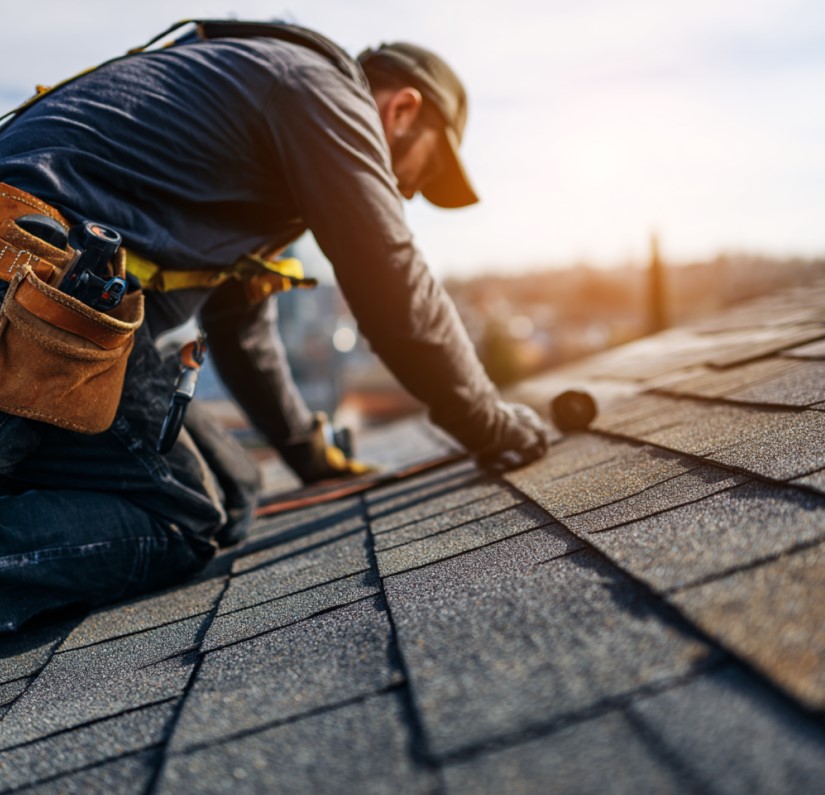
What a Professional Roof Inspection in Orange County Actually Includes
A professional roof inspection catches small problems before they become leaks. Here is what a thorough Orange County roof inspection covers, when to schedule one, and what to expect after.
September 15, 2026
Residential Roofing
How Long Does a Tile Roof Last in Southern California?
How long a tile roof really lasts in Southern California, why the underlayment matters more than the tile, and when to repair, relay, or replace.
September 14, 2026
Residential Roofing
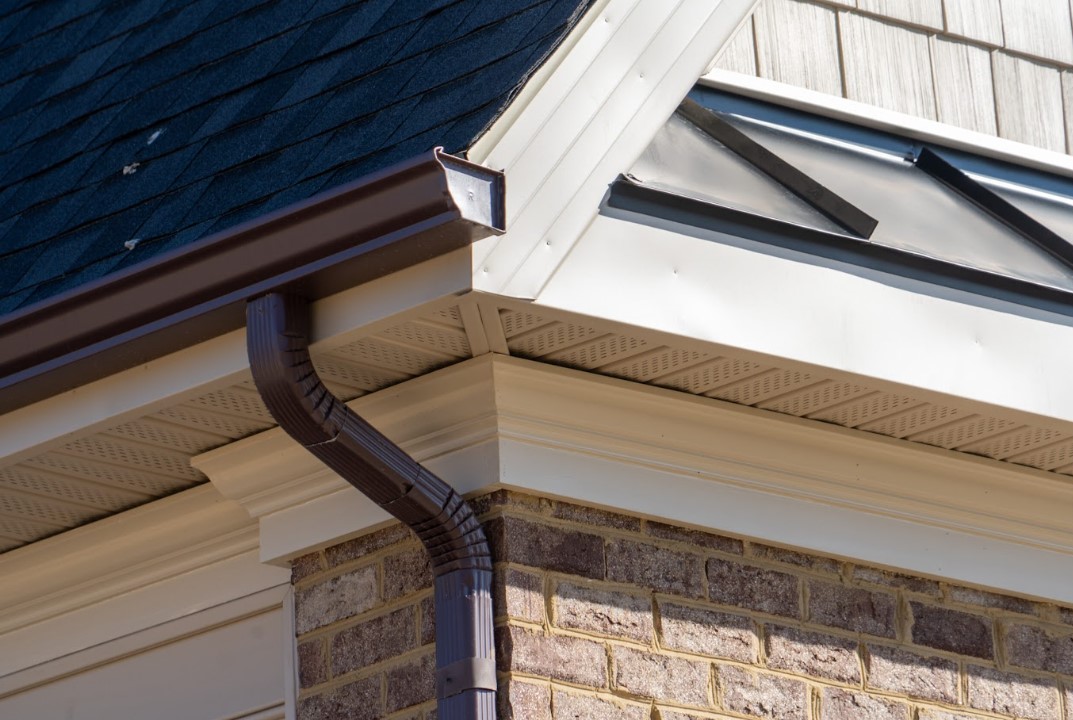
Is Your Southern California Home Ready for Tropical Storms? An Honest Guide to Roof and Gutter Prep
Preparing your property for heavy storms does not have to be stressful. Taking a few proactive steps today saves you time, money, and hassle when wild weather hits Southern California.
August 17, 2026

Emergency Services
Why Emergency Exterior Services Are Critical During Wildfire Season
Learn why emergency exterior services are critical during wildfire season. Discover how emergency home repairs and rapid wildfire home protection safeguard your property from wind-blown embers.
July 1, 2026