How to Spot Siding Damage After Santa Ana Winds
January 26, 2026
•
Written By
Brave Bird Roofing
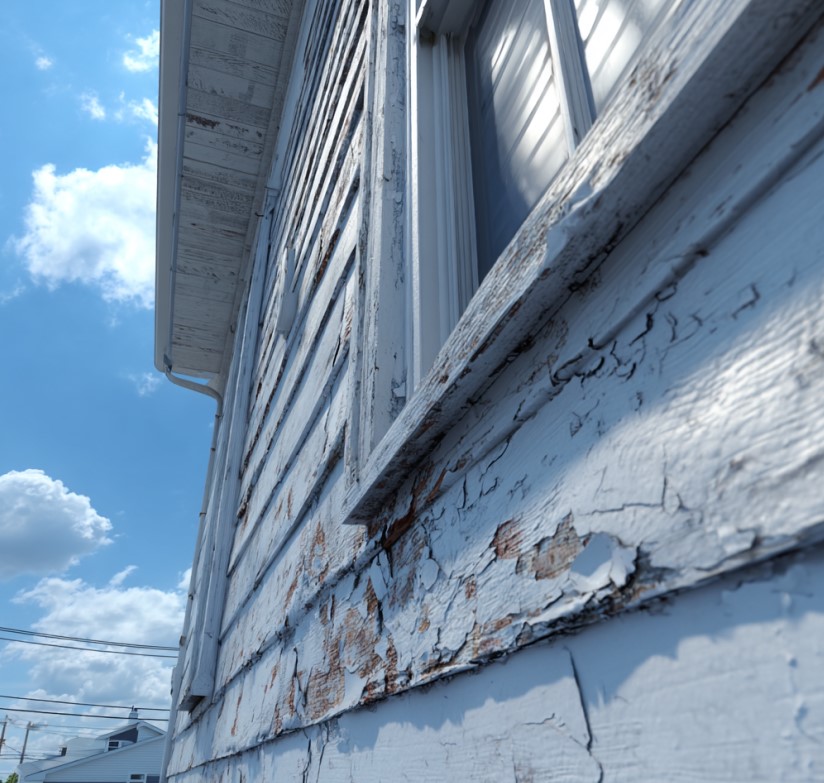
When Santa Ana winds roll through Orange County, they don’t just dry the air; they test our homes. Strong gusts, flying debris, and sudden pressure changes can quietly stress your siding long before you notice a problem. Knowing the signs of siding damage helps you act early, before small issues grow into costly repairs.
The good news is this: you don’t need a ladder or a construction background to spot trouble. With a thoughtful walk around your home, you can learn how to inspect siding after a storm, recognize what matters most, and understand the best repair options for siding if something needs attention.
At Brave Bird Roofing, we believe caring for your home is an act of stewardship. When you protect what shelters your family, you’re doing good work, and we’re here to guide you when you need a steady hand.
Key Takeaways
- Small changes matter: early signs of siding damage often appear before leaks or energy loss.
- A simple inspection goes a long way: knowing how to inspect siding after a storm can prevent bigger issues.
- Right repair, right time: understanding the best repair options for siding helps you protect your home with confidence.
Breaking Down the Signs of Siding Damage After Santa Ana Winds
Santa Ana winds are different from typical storms. They’re dry, fast, and persistent, often lifting at edges and seams rather than soaking surfaces. That’s why the signs of siding damage after these winds can be subtle.
A few basics help as you look:
- Panels: the visible sections that form your siding.
- Seams and edges: where wind pressure often finds its way in.
- Trim and transitions: around windows, doors, and rooflines are common stress points.
Why this matters in Southern California: once siding loosens, the next weather change, winter rain, morning moisture, or even sprinklers, can introduce water where it doesn’t belong. Catching the early signs of siding damage protects your home’s structure, comfort, and value.
What to Check First When Inspecting Siding After a Storm
Before jumping to conclusions, ground your inspection in clarity. Here’s how homeowners can confidently approach how to inspect siding after a storm, without guesswork.
- Safety first: stay on the ground. Most damage is visible without ladders.
- Wind-facing walls: start where the strongest gusts hit.
- Siding material awareness: vinyl may crack or warp; wood may split; fiber cement may chip.
- Moisture risk zones: check corners, seams, windows, and doors closely.
- Future plans: if you’re selling or refinancing, appearance and protection both matter.
- Documentation: photos now can save time later.
These steps make it easier to identify real signs of siding damage and decide whether monitoring or repair is the next faithful step.
How to Inspect Siding After a Storm: A Step-By-Step Walkthrough
Use this calm, methodical process to evaluate your home after Santa Ana winds.
Start With A Slow Perimeter Walk
Look for panels that appear shifted, uneven, or out of alignment.
Check Seams, Corners, And Edges
Cracks or chips here are some of the clearest signs of siding damage, especially after wind pressure.
Watch For Loose Or Lifted Panels
Loose siding invites moisture and pests. It’s also a sign your home needs help protecting siding from extreme weather going forward.
Scan For Warping Or Buckling
Shadows and reflections often reveal bulges that aren’t obvious head-on.
Look For Dents Or Impact Marks
Flying debris can leave damage that breaks the siding’s protective surface.
Notice Staining Or Discoloration
New stains may point to water entry behind the siding.
Listen During Breezy Moments
Rattling or tapping sounds can signal hidden looseness.
Document What You Find
Photos help clarify next steps and support any professional assessment.
Learning how to inspect siding after a storm gives you peace of mind and a plan.
The Best Repair Options for Siding Based on What You Find
Not every issue requires replacement. Choosing the best repair options for siding depends on the type and extent of damage.
Cosmetic Scuffs Or Light Surface Marks
Often safe to clean and monitor.
Small Cracks Or Chips
These should be sealed or patched promptly to prevent moisture intrusion.
Loose Or Lifted Panels
Typically require professional refastening and inspection behind the panel.
Missing Panels Or Exposed Layers
This is urgent. Replacement and moisture checks are essential.
Warping Or Buckling
May require section replacement and addressing the root cause.
Staining Or Interior Signs Of Moisture
Call for a professional inspection to confirm what’s happening behind the wall.
The best repair options for siding always aim to restore a tight, weather-resistant barrier, nothing more, nothing less.
Protecting Siding From Extreme Weather in Orange County
Santa Ana winds may be inevitable, but damage doesn’t have to be.
- Trim trees and remove dead branches
- Secure outdoor items before wind events
- Keep seams and trim properly sealed
- Clean siding regularly
- Inspect after major wind days
- Address small issues promptly
Consistent care is the foundation of protecting siding from extreme weather and honoring the home entrusted to you.
Signs of Siding Damage FAQs
What are the most common signs of siding damage after Santa Ana winds?
Common signs of siding damage include cracks, loose panels, warping, dents from debris, and new staining.
How do I safely inspect siding after a storm?
The safest way to inspect siding after a storm is with a ground-level walk-around, avoiding ladders and unstable areas.
Are loose panels a serious issue?
Yes. Loose panels are clear signs of siding damage and can worsen quickly in future winds.
What are the best repair options for siding cracks?
The best repair options for siding cracks usually involve sealing, patching, or replacing small sections, depending on the material.
How can I protect siding from extreme weather long-term?
Protecting siding from extreme weather includes regular inspections, sealing joints, and addressing minor issues early.
When the Wind Passes, Wisdom Begins
Santa Ana winds come and go, but the care you give your home lasts. By learning the signs of siding damage, understanding how to inspect siding after a storm, and choosing the best repair options for siding, you’re not just fixing materials; you’re protecting what matters most.
At Brave Bird Roofing, we believe strong homes are built on integrity, craftsmanship, and care. If you’d like a clear, honest assessment from trusted local experts, we’re ready to help.
Schedule your free inspection today, and let us walk with you, calmly and capably, through the next step.
Recent Articles
Residential Roofing
What a Professional Roof Inspection in Orange County Actually Includes
A professional roof inspection catches small problems before they become leaks. Here is what a thorough Orange County roof inspection covers, when to schedule one, and what to expect after.
September 15, 2026

Residential Roofing
How Long Does a Tile Roof Last in Southern California?
How long a tile roof really lasts in Southern California, why the underlayment matters more than the tile, and when to repair, relay, or replace.
September 14, 2026
Residential Roofing
Is Your Southern California Home Ready for Tropical Storms? An Honest Guide to Roof and Gutter Prep
Preparing your property for heavy storms does not have to be stressful. Taking a few proactive steps today saves you time, money, and hassle when wild weather hits Southern California.
August 17, 2026

Emergency Services
Why Emergency Exterior Services Are Critical During Wildfire Season
Learn why emergency exterior services are critical during wildfire season. Discover how emergency home repairs and rapid wildfire home protection safeguard your property from wind-blown embers.
July 1, 2026