How Tile Roofs Perform in Southern California’s Climate
October 14, 2025
•
Written By
Brave Bird Roofing
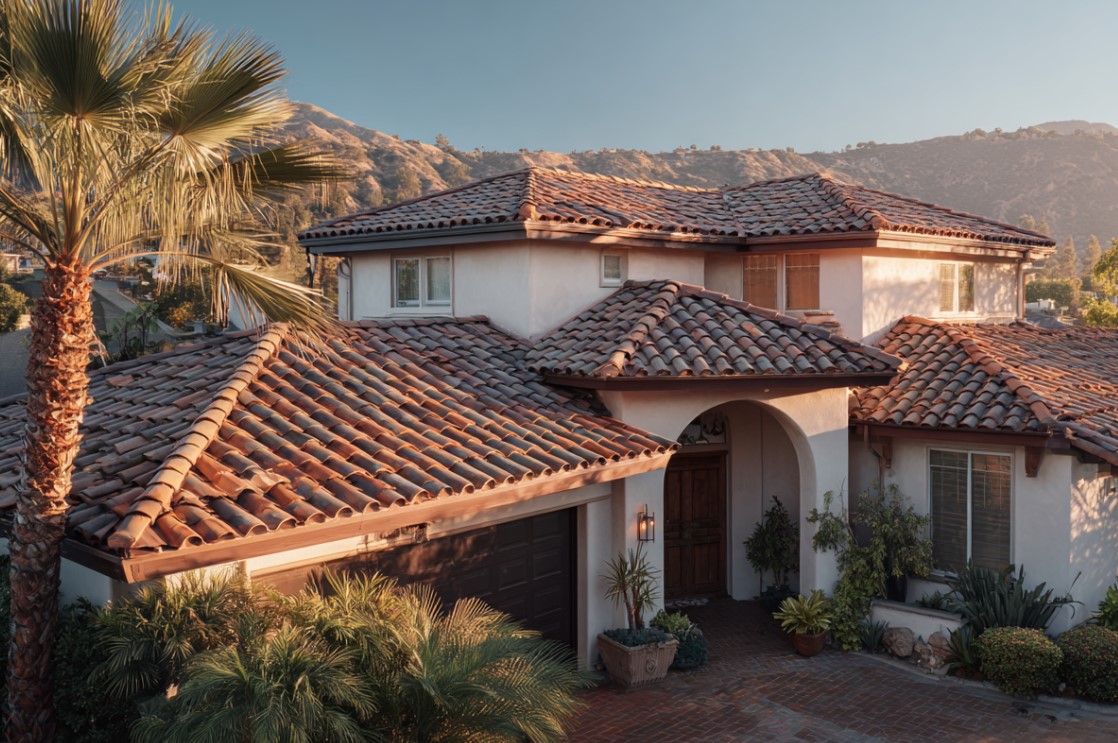
A Thoughtful Look at Residential Tile Roof Performance, Climate Impact on Tile Roofs, and What Homeowners Should Know
In Southern California, where days are long and sunlight unrelenting, the roof above one’s head bears more than rain. It bears the quiet burden of protection, day after day, year after year—sheltering not just structure, but family, memory, and meaning.
Tile roofing, with its elegance and centuries of service, is often chosen not merely for appearance, but for promise. Yet its performance is not automatic. The climate here tests everything.
This guide offers a reasoned look at how tile roofs perform in Southern California’s climate—not as a product to purchase, but as a system to understand.
In this guide, we’ll explore:
- How sun, wind, and moisture affect residential tile roof performance
- What you must consider before choosing or maintaining tile roofing
- The strengths and limits of clay, concrete, and synthetic options
- Questions homeowners in Fullerton and nearby cities ask us most
We write not to sell, but to serve. If this guide leads you to action, Brave Bird Roofing can help—with clarity, craftsmanship, and care.
Why Tile Roof Performance Must Be Evaluated in Context
Roofing, like character, is tested under pressure. And in Southern California, pressure comes not from snow or hurricanes, but from the quiet, unending work of heat, light, wind, and code.
What Performance Really Means
When we speak of residential tile roof performance, we refer to more than surface beauty. We mean durability under UV rays. We mean thermal regulation in 100°F heat. We mean flashing that holds fast in storm runoff. We mean underlayment that doesn’t fail before the tiles themselves.
The Local Climate’s Demands on Roofing
- UV and sunlight fade and dry out many materials over time
- Wind uplift, especially near hills and canyons, stresses improperly secured tile
- Sudden downpours demand flashing and drainage that perform instantly
- Fire exposure necessitates Class A materials in most cities
- Energy codes such as Title 24 require reflectivity and performance, not just appearance
And so, the climate impact on tile roofs becomes a matter not of weather alone, but of wisdom.
Before You Choose or Replace Tile Roofing
Before a single tile is set, several questions deserve honest answers. Not because roofing is complicated, but because good stewardship requires thoughtful planning.
1. What Budget Does This Truly Require?
Tile costs more—justly so. But cost includes more than materials: structural assessment, underlayment, flashing, installation. Shortcuts here are costly later.
2. Does My City Require Permits or Structural Upgrades?
Yes. Fullerton, Brea, and other SoCal cities often require permits, inspections, and framing upgrades for tile’s additional weight. We handle this for our clients, to remove uncertainty.
3. Is My Home Built for Tile?
Clay and concrete tiles are heavy—800 to 1,200 lbs per square. Not all framing can carry them safely without modification.
4. What Type of Tile Best Suits My Home and Climate?
Not all tiles are created equal. Clay resists heat and fading. Concrete provides versatility. Synthetics reduce weight but vary in quality. Each has its place.
5. Has My Roof Been Inspected Recently?
Before repairing or replacing, know what lies beneath. Underlayment failure, moisture damage, or inadequate ventilation may already be at work. An honest inspection brings clarity.
How Tile Roofs Truly Perform in Southern California
Tile roofing’s reputation is deserved—but not unconditional. Here’s how it holds up under local pressure, and what defines a roof that lasts.
Sunlight, Heat, and UV: The Constant Test
- Clay tiles endure decades of sun with minimal fading
- Concrete tiles, while strong, may show wear or fading sooner
- Synthetic tiles vary—some excel, others do not
The roof does not fail in one summer. It weathers hundreds. And the right tile must be chosen for the long game.

Energy Performance: Built-in Insulation
Tile roofing allows air to move beneath each piece, naturally reducing heat transfer into your attic.
- This lowers your energy bill
- Reduces strain on cooling systems
- Helps meet California’s reflectivity and Title 24 energy requirements
Here, beauty and science meet. A quiet efficiency, year after year.
Wind Resistance: Holding Fast Against Uplift
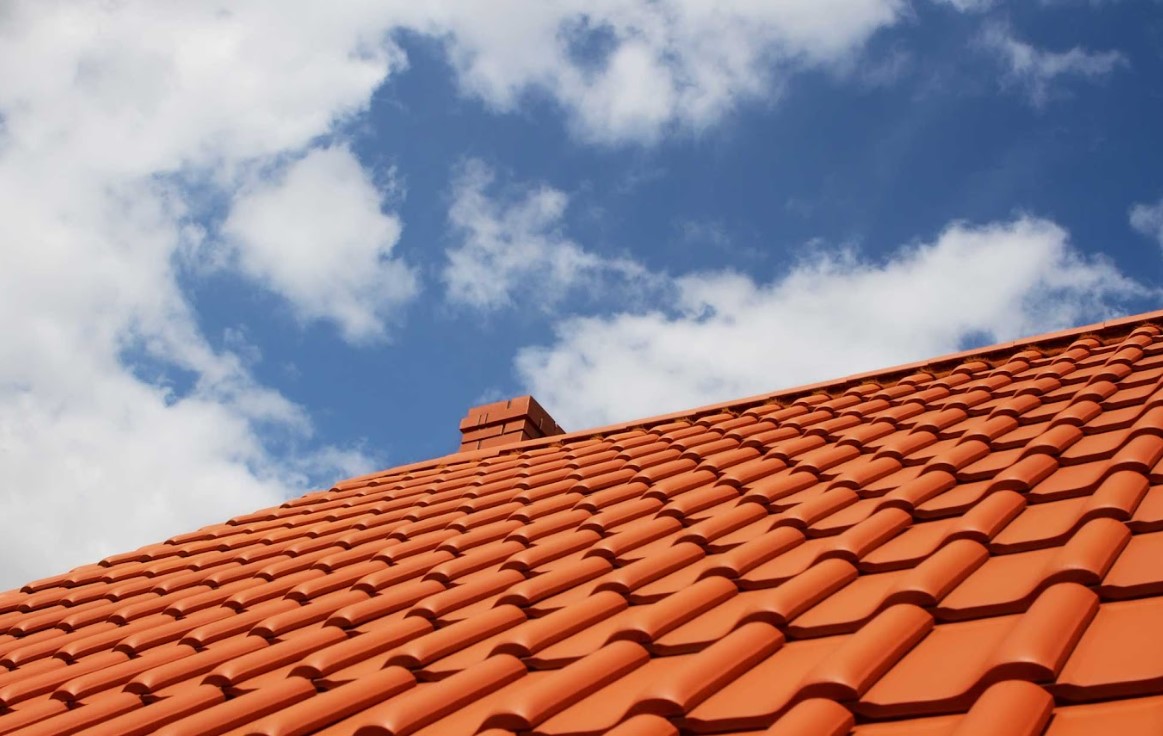
The Santa Ana winds are no myth. Tile roofs must be:
- Anchored with uplift-rated fasteners
- Designed with interlocking systems
- Avoid reliant solely on mortar or nails
Wind is not constant. But when it comes, your roof must already be ready.
Water Resistance: Flashing, Not Just Tile
Most tile roofs fail not because a tile breaks, but because water finds its way past the flashing or through worn underlayment.
- Proper installation of valleys, vents, and penetrations is essential
- Underlayment must be high quality and maintained
- Periodic inspection reveals what the surface hides
Moisture is slow. But so is rot. And vigilance makes the difference.
Deep Dive: Comparing Tile Materials for SoCal Homes
The right choice begins with understanding—not marketing.
Warranties Worth Understanding
- Tile warranties often last 30–50 years
- Underlayment, however, may last only 20–30
- Workmanship matters most—what fails isn’t always the tile
At Brave Bird Roofing, we match premium materials with expert installation. We offer warranties on both product and labor—because peace of mind should last as long as the roof itself.
Fullerton Tile Roofing FAQs: Answers from Local Experts
Before closing, it may help to address a few common questions homeowners in Fullerton and nearby areas ask about tile roofing.
How long does a tile roof last in Southern California?
A tile roof in Southern California typically lasts between 50 and 100 years when properly installed and maintained. Underlayment should be replaced about every 25–30 years to maintain full protection.
Do I need a permit to replace a tile roof in Fullerton?
Yes, replacing or repairing a tile roof in Fullerton requires a city permit. Permits ensure that your roofing system meets fire, energy, and structural safety standards, and Brave Bird Roofing manages this process for you.
Is tile roofing energy-efficient for hot climates?
Yes, tile roofing is energy-efficient for hot climates because it creates a natural thermal barrier. The space beneath the tiles allows heat to dissipate before entering the attic, reducing cooling costs and improving comfort.
Can I walk on a tile roof safely?
You should not walk on a tile roof unless absolutely necessary, as tiles can crack or shift under weight. Professional roofers use specialized techniques and equipment to navigate tile roofs safely during inspections or repairs.
Does homeowners insurance cover tile roof damage?
Homeowners insurance usually covers tile roof damage caused by sudden or accidental events—like storms or falling branches. However, it rarely covers deterioration due to age or neglect. Brave Bird Roofing can help document legitimate claims.
What are the most common issues with tile roofs in Southern California?
The most common issues with tile roofs in Southern California are cracked tiles, deteriorated underlayment, and flashing failures. Regular inspections and timely repairs prevent these problems from escalating.
Conclusion: What Endurance Really Looks Like
A tile roof is not merely installed—it’s entrusted. Its value lies not in being maintenance-free, but in being lasting, beautiful, and worthy of care.
Here in Southern California, that means matching material to climate. Building to code. Inspecting with intention. Installing with reverence for the decades ahead.
At Brave Bird Roofing, we don’t just put roofs on homes. We put homes under roofs built for the climate, the family, and the future.
Schedule your free roof inspection today. Not because it’s urgent. But because the roof over your head deserves to be understood, protected, and built to last.
Recent Articles
Residential Roofing
What a Professional Roof Inspection in Orange County Actually Includes
A professional roof inspection catches small problems before they become leaks. Here is what a thorough Orange County roof inspection covers, when to schedule one, and what to expect after.
September 15, 2026

Residential Roofing
How Long Does a Tile Roof Last in Southern California?
How long a tile roof really lasts in Southern California, why the underlayment matters more than the tile, and when to repair, relay, or replace.
September 14, 2026
Residential Roofing
Is Your Southern California Home Ready for Tropical Storms? An Honest Guide to Roof and Gutter Prep
Preparing your property for heavy storms does not have to be stressful. Taking a few proactive steps today saves you time, money, and hassle when wild weather hits Southern California.
August 17, 2026

Emergency Services
Why Emergency Exterior Services Are Critical During Wildfire Season
Learn why emergency exterior services are critical during wildfire season. Discover how emergency home repairs and rapid wildfire home protection safeguard your property from wind-blown embers.
July 1, 2026