How Siding Affects Your Home’s Energy Efficiency in Southern California
February 9, 2026
•
Written By
Brave Bird Roofing
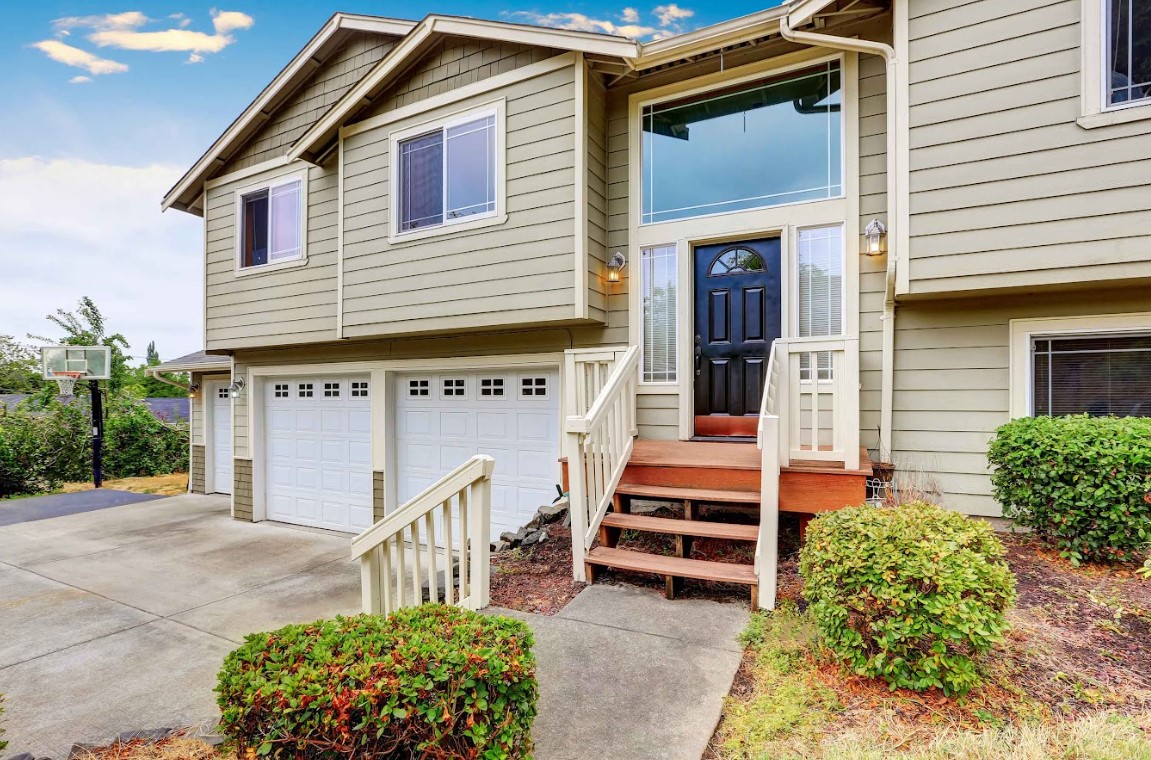
When homeowners think about reducing their monthly utility bills, they usually look to double-pane windows or advanced air conditioning units. However, your home exterior walls cover the largest surface area of your entire property, making them the primary battleground against heat transfer.
Under the constant rays of the Southern California sun, standard walls can absorb heat and radiate it directly into your living spaces. Investing in energy-efficient siding acts as a thermal shield, keeping your home cooler in the summer months and warmer during chilly winter evenings. Understanding this relationship helps you make smart remodeling choices that improve your home comfort while keeping your utility costs under control.
At Brave Bird Roofing, we believe that stewardship means helping our neighbors manage their resources wisely. Your home shelters the people you love, and the materials you choose to protect it should serve both a functional and financial purpose. By approaching your exterior remodeling with a balance of heart and reason, we help you select systems that provide lasting protection while respecting your household budget.
Key Takeaways
- Siding regulates indoor climate: Upgrading your home exterior limits thermal bridging, keeping indoor spaces consistently comfortable.
- Quality materials decrease utility bills: Modern Southern California siding options absorb less heat, easing the daily workload on your cooling system.
- Proper installation locks in savings: Specialized framing and seamless sealing prevent air leaks, ensuring your investment performs perfectly for decades.
The Connection Between Siding Energy Efficiency and Heat Transfer
Your home walls are vulnerable to a process known as thermal bridging, where outdoor heat bypasses standard insulation through the wooden studs in the framing. During peak summer days, this heat easily builds up indoors, turning your living spaces into ovens and forcing your air conditioner to run constantly. High-quality siding energy efficiency works by breaking this cycle, creating an unbroken layer of insulation over the exterior structure.
By reflecting sunlight and blocking outside temperatures, upgraded materials reduce the demand on your climate control systems. For busy professionals trying to manage a household budget, this protection means immediate relief on utility bills. It also eliminates the frustrating drafts and hot spots that commonly plague older homes, creating a more peaceful, unified indoor climate for your family.
Local Material Options for Southern California Siding
Selecting the right material guarantees your home gets quality you can see and durability built for the local climate.
Fiber Cement Siding
This option stands out as a highly cost-effective choice for long-term energy performance. Fiber cement siding features superior insulative qualities and is thick enough to block major temperature swings. It endures years of direct sunlight without warping, cracking, or expanding, and it holds paint beautifully so your home continues to look its best. It also provides excellent resistance against fire and local pests.
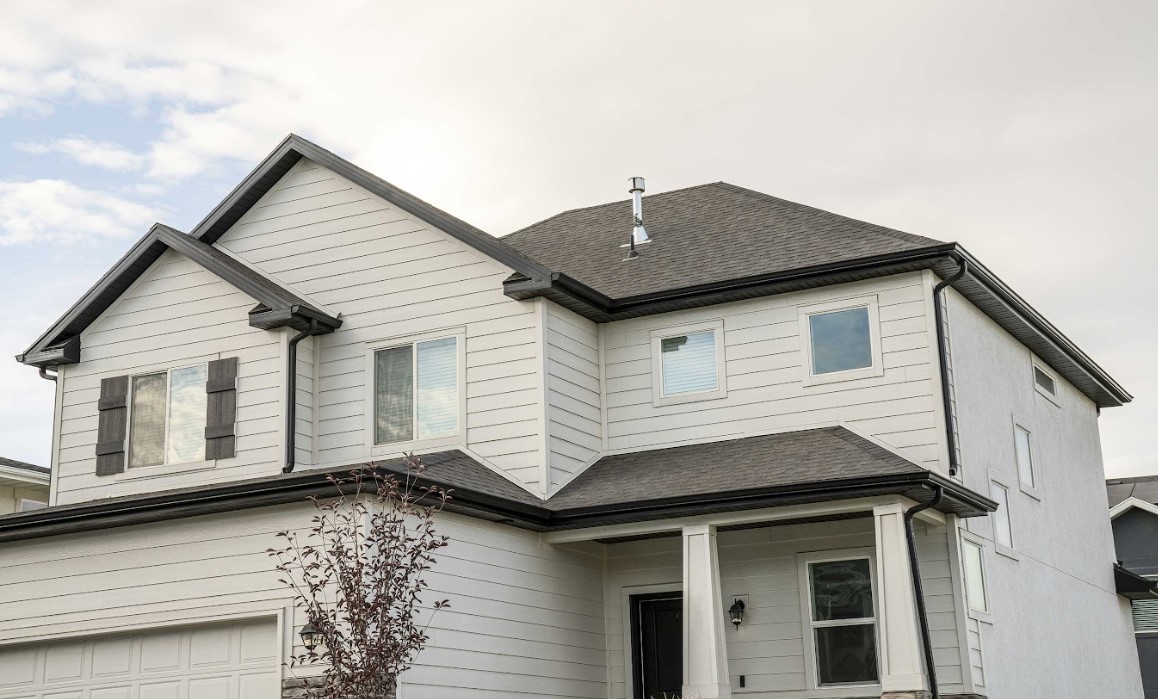
Wood Siding
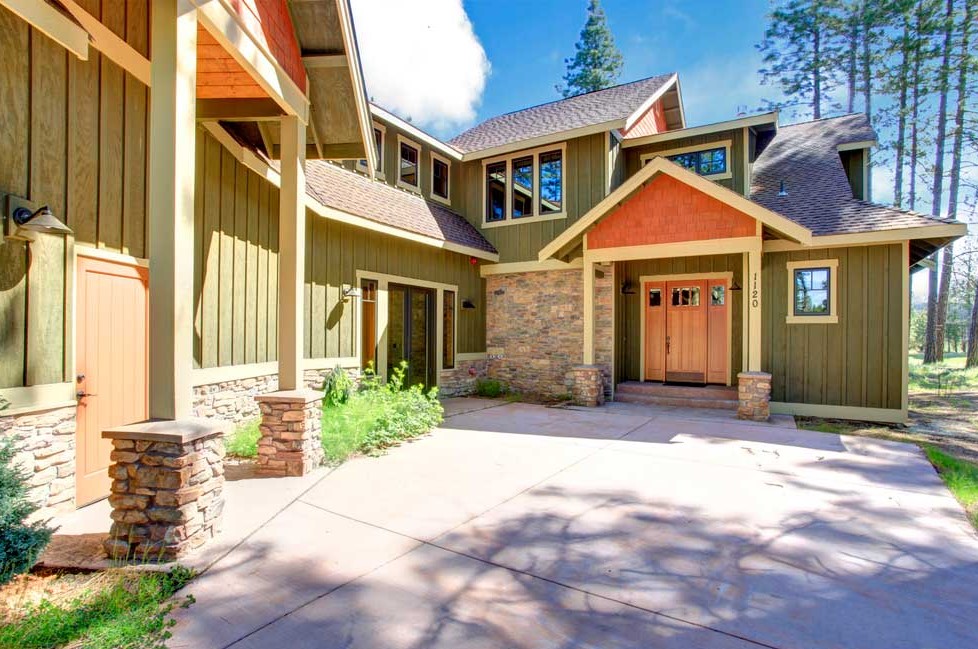
Wood brings a classic, natural charm to traditional neighborhoods and offers natural insulative properties. It provides a solid barrier against the elements, helping to stabilize indoor temperatures. However, because wood naturally expands and contracts with shifting weather, it demands regular sealing and ongoing maintenance to preserve its structure and efficiency over time.
Warning Signs That Your Exterior Is Damaged or Hurting Efficiency
It's easy to overlook your home walls until a major issue develops, but several clear warning signs indicate that your current siding is failing to protect your energy bills:
- Spiking electric bills: If your cooling costs are rising steadily during the summer without a change in your air conditioning habits, your exterior walls may be losing their insulating strength.
- Faded or chalky panels: Intense sun exposure breaks down the protective coatings on older materials, indicating they can no longer reflect solar heat effectively.
- Warped or buckled boards: Gaps created by warped panels allow warm air and coastal moisture to seep directly behind your exterior armor, creating drafts and threatening your structural framework.
- Interior wall moisture: Soft spots or peeling paint on interior walls near the exterior may indicate poor outdoor drainage or failing panels that are letting moisture infiltrate your home.
Why Professional Installation Maximizes Your Investment
Even the most advanced, energy-efficient siding cannot deliver real savings if it's installed improperly. True craftsmanship means guaranteeing that every board is fitted tightly, every seam is sealed against air leaks, and the underlying house wrap is installed without wrinkles or tears. Gaps left by inexperienced crews allow hot air to bypass the panels completely, destroying the thermal defense you paid for.
We know that managing an exterior project can feel overwhelming. That's why our process is built on faith and finished with excellence. We use modern scheduling systems to ensure reliable timelines, and our 24-hour call-answering service guarantees you never have to navigate a question alone. Integrity over profit means we put families first, offering honest recommendations and clear communication from the initial assessment until the final cleanup is complete.
Siding Energy Efficiency FAQs
How exactly does energy-efficient siding lower my monthly utility bills?
It acts as an extra blanket around your home, preventing outdoor heat from transferring through your walls. Because your indoor temperatures stay more consistent, your cooling system doesn't have to work as hard, which reduces your electricity consumption.
Does the color of my new siding affect its energy performance?
Yes. In warmer regions like ours, lighter colors are highly effective because they reflect solar radiation away from the house. Darker colors absorb more heat, which can increase your air conditioning's workload during hot summer afternoons.
What are the main warning signs of siding damage that affects my home comfort?
Look out for warped or buckled exterior boards, fading surfaces caused by sun damage, interior drafts near your walls, and rising energy costs that cannot be explained by your normal appliance use.
Why is professional installation so critical for reducing air leaks?
Professional installation ensures that seams are sealed perfectly and panels are fitted tightly to eliminate gaps. Correct fitting blocks thermal bridging and prevents outdoor air from slipping behind the system, locking in your long-term energy savings.
Is fiber cement a good option for Southern California siding upgrades?
Yes. Fiber cement provides excellent durability against our intense local sun and resists rot, fire, and pests. Its thickness offers exceptional insulation, making it one of the most reliable choices for homeowners seeking lasting efficiency and low maintenance.
Protect What Matters Most With Faith-Driven Service
Every exterior remodel we perform is more than just a transaction; it's a promise kept and a safeguard for the people you love. A strong exterior is like a steadfast faith; it holds firm when storms come and stands resilient against the heat of the day.
At Brave Bird Roofing, we take pride in our family-first service and deep roots in our community. We stand behind our work with strong warranties and a dedicated crew that treats your home like it's our own. We are proud to serve our neighbors throughout Fullerton, Anaheim, Orange, and the surrounding Southern California areas with honesty and excellence.
Contact our team today to schedule your free inspection, learn more about our options, and discover how we can help make your home shine.
Recent Articles
Residential Roofing
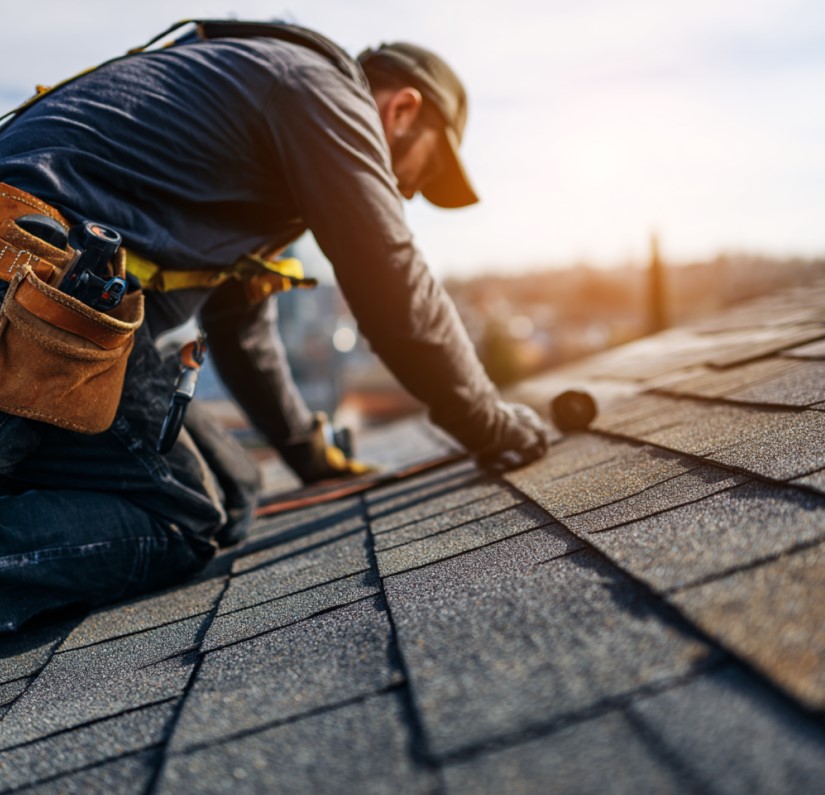
What a Professional Roof Inspection in Orange County Actually Includes
A professional roof inspection catches small problems before they become leaks. Here is what a thorough Orange County roof inspection covers, when to schedule one, and what to expect after.
September 15, 2026

Residential Roofing
How Long Does a Tile Roof Last in Southern California?
How long a tile roof really lasts in Southern California, why the underlayment matters more than the tile, and when to repair, relay, or replace.
September 14, 2026
Residential Roofing
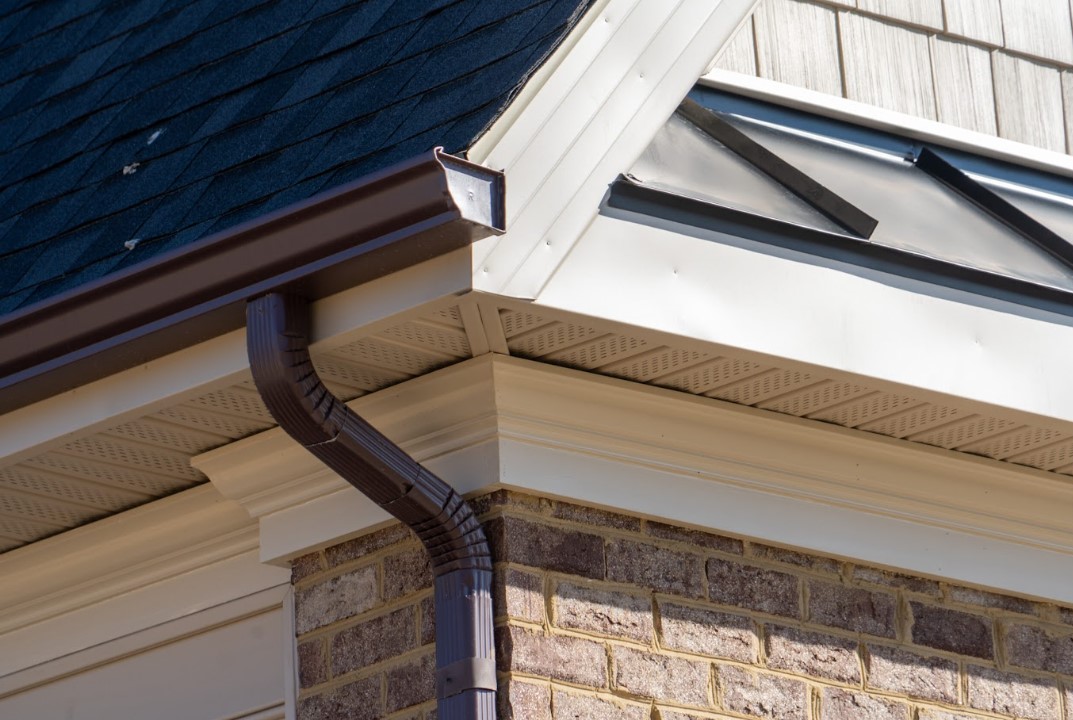
Is Your Southern California Home Ready for Tropical Storms? An Honest Guide to Roof and Gutter Prep
Preparing your property for heavy storms does not have to be stressful. Taking a few proactive steps today saves you time, money, and hassle when wild weather hits Southern California.
August 17, 2026

Emergency Services
Why Emergency Exterior Services Are Critical During Wildfire Season
Learn why emergency exterior services are critical during wildfire season. Discover how emergency home repairs and rapid wildfire home protection safeguard your property from wind-blown embers.
July 1, 2026