
How Clogged Gutters Can Damage Your Roof in Fullerton’s Rainy Season
November 11, 2025
•
Written By
Brave Bird Roofing
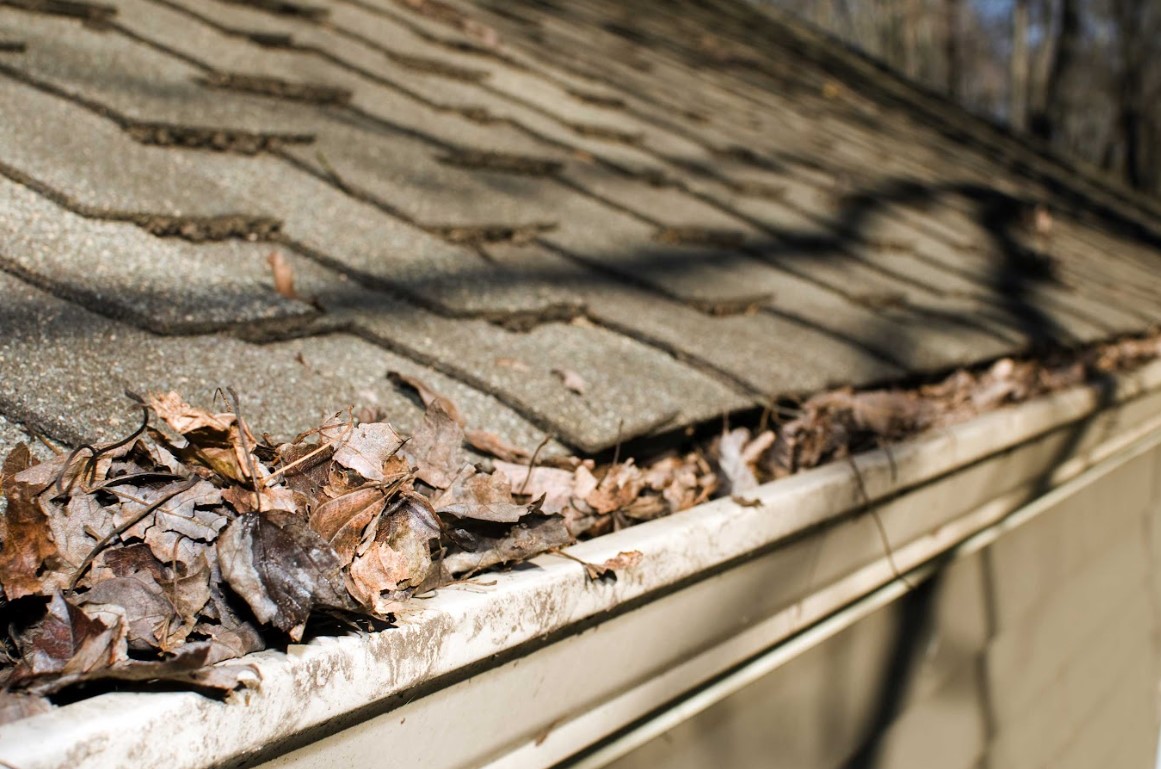
When the first autumn storm rolls through Fullerton, the air feels fresh, the sidewalks glisten, and homeowners start to hear that familiar drip along their rooflines. For many, that’s the first sign of a hidden problem: clogged gutters.
What seems like a small inconvenience can quietly grow into something costly. When rainwater can’t flow freely, it backs up onto your roof, seeps under shingles, and damages the wood that holds your home together.
At Brave Bird Roofing, we believe caring for your home is a form of stewardship, a way to protect what’s been entrusted to you. Here’s how clogged gutters cause roof leaks, what to look for before the rainy season, and how to keep your roof strong through every storm.
Key Takeaways
- Learn how clogged gutters cause roof leaks and why they’re especially damaging during Fullerton’s rainy months.
- Recognize the warning signs of gutter blockage damage before small issues become major repairs.
- Understand why clear gutters help prevent roof leaks and protect your home’s structure year-round.
When you’re ready to protect your home this season, schedule your free inspection with Brave Bird Roofing, your trusted local experts in roofing and gutter leak repair.
How Clogged Gutters Cause Roof Leaks During Fullerton’s Rainy Season
Gutters are easy to overlook until they stop working. Their job is simple: channel rainwater away from your roof and foundation. But when leaves, dust, and debris pile up after a dry summer, they form blockages that trap water right where it shouldn’t be.
When the rain comes, that trapped water backs up onto your roof, slipping beneath shingles and saturating wooden fascia boards. Over time, that moisture causes rot, mold, and leaks that can reach your attic or walls.
In Fullerton’s mild but unpredictable climate, heavy downpours often follow months of heat and wind. That mix of debris and sudden rain makes clogged gutters a top cause of roof problems caused by poor drainage.
A clear gutter system doesn’t just protect your roof, it protects your peace of mind.
Important Steps to Prevent Roof Problems Caused by Poor Drainage
Before the first big rain of the season, a few simple checks can save you from costly water damage. Here’s how to prepare your home:
- Inspect Your Gutters: Look for buildup along the channels or at downspout openings. Overflow during light rain means a blockage is already forming.
- Check Fascia Boards: Soft, warped, or discolored wood behind your gutters can mean trapped moisture. Early repair prevents long-term rot.
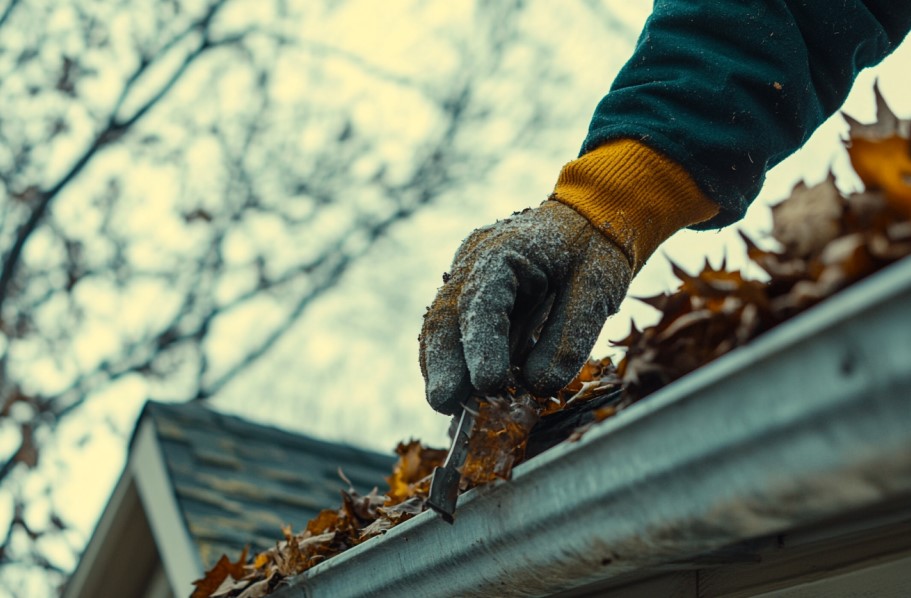
- Clean Before the Storm: Regular cleaning removes the debris that causes overflow. This is the simplest way to avoid roof problems caused by poor drainage in older homes.
- Trim Nearby Branches: Trees shed leaves and pollen that quickly fill gutters. Trimming reduces debris and helps your gutters last longer.
- Add Downspout Extensions: Water should drain several feet from your foundation. Extensions prevent erosion and keep water away from walls and basements.
Taking these steps now reflects the same principle that guides our work: integrity means doing the right thing, even when no one’s watching.
The Hidden Dangers of Gutter Blockage Damage
Fascia and Soffit Decay
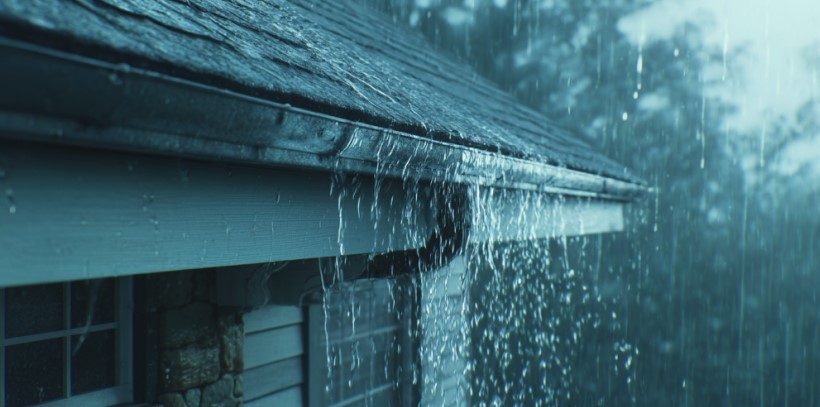
When water spills over the sides of your gutters, it seeps behind them. Over time, that trapped moisture rots the boards beneath your roofline, weakening the structure that supports your gutters.
Roof Deck Damage
Backed-up water can find its way under shingles and into your roof decking. Once moisture reaches the wood, it softens and warps, creating the perfect conditions for leaks.
Mold and Air Quality Issues
Moisture inside walls and attics creates a breeding ground for mold and mildew. This can affect your family’s comfort and your home’s health.
Foundation and Siding Problems
Overflowing water runs down your siding, leaving stains and saturating the soil around your foundation. Over time, that erosion causes cracks and uneven settling.
The warning signs of gutter blockage damage often appear slowly, but once you notice them, acting quickly can save your roof and your wallet.
Gutter Maintenance Essentials for Fullerton Homeowners
Caring for your gutters doesn’t require much, just consistency and attention. Here are a few gutter maintenance essentials to keep your system working efficiently:
- Clean Gutters Twice a Year: Once in late fall after wind season and again before spring rains.
- Inspect After Every Storm: Walk around your home to spot sagging sections, leaks, or overflow.
- Flush Downspouts: Use a hose to ensure water flows freely and doesn’t back up.
- Trim Overhanging Trees: Fewer leaves mean fewer clogs and a longer gutter lifespan.
- Schedule a Professional Inspection: A trained eye can catch small issues, loose hangers, cracked sealant, or rust, before they lead to major repairs.
We see maintenance as an act of care. A few minutes spent today can save you the stress of unexpected leaks tomorrow.
A Homeowner’s Checklist Before the Rain Arrives
Here’s a simple checklist to get your home ready for the season:
- Clear gutters and downspouts of debris.
- Check fascia boards for signs of rot.
- Add extensions to keep water away from your foundation.
- Inspect for peeling paint or stains on exterior walls.
- Schedule a gutter and roof inspection with Brave Bird Roofing.
With preparation and professional support, you can keep your roof ready for whatever weather Fullerton brings.
FAQs About How Clogged Gutters Cause Roof Leaks
What are the early warning signs of gutter damage?
Overflowing gutters, peeling paint, and damp spots near the roofline often signal a clog. Don’t ignore them; they can quickly turn into roof leaks.
How do clogged gutters damage my roof?
When gutters overflow, water seeps beneath shingles and into the roof deck. Over time, that moisture causes rot, mold, and interior leaks.
How often should gutters be cleaned in Fullerton?
Twice a year, once in the fall and again before winter. Homes near trees may need more frequent cleanings to prevent buildup.
Can I clean my own gutters?
For single-story homes, light cleaning is safe. But multi-story or steep roofs are best handled by professionals to avoid injury and ensure proper drainage.
Protecting Your Home Starts at the Roofline
A clear gutter may not look heroic, but it protects your home in powerful ways. It shields your roof, preserves your foundation, and gives you one less thing to worry about when the rain begins to fall.
At Brave Bird Roofing, we approach every job with the same principle: excellence is an act of service. We handle the roof and gutter leak repairs that keep water where it belongs, protecting families, strengthening homes, and honoring God through the quality of our craft.
Schedule your free inspection today and let our faith-driven team prepare your home for Fullerton’s rainy season with integrity, care, and craftsmanship you can trust.
Recent Articles

Residential Roofing
What a Professional Roof Inspection in Orange County Actually Includes
A professional roof inspection catches small problems before they become leaks. Here is what a thorough Orange County roof inspection covers, when to schedule one, and what to expect after.
September 15, 2026

Residential Roofing
How Long Does a Tile Roof Last in Southern California?
How long a tile roof really lasts in Southern California, why the underlayment matters more than the tile, and when to repair, relay, or replace.
September 14, 2026
Residential Roofing
Is Your Southern California Home Ready for Tropical Storms? An Honest Guide to Roof and Gutter Prep
Preparing your property for heavy storms does not have to be stressful. Taking a few proactive steps today saves you time, money, and hassle when wild weather hits Southern California.
August 17, 2026

Emergency Services
Why Emergency Exterior Services Are Critical During Wildfire Season
Learn why emergency exterior services are critical during wildfire season. Discover how emergency home repairs and rapid wildfire home protection safeguard your property from wind-blown embers.
July 1, 2026